 Crawley Town Hub
Tactical Adjustments for Crawley Town's Recent Struggles
Crawley Town’s recent performances have been a mixed bag, with the team struggling to find consistent form in League Two. As The Red Devils seek to bounce back from disappointing results, a thorough tactical analysis reveals areas for improvement that could reinvigorate the squad’s approach on and off the pitch.
Current Formation and Player Roles
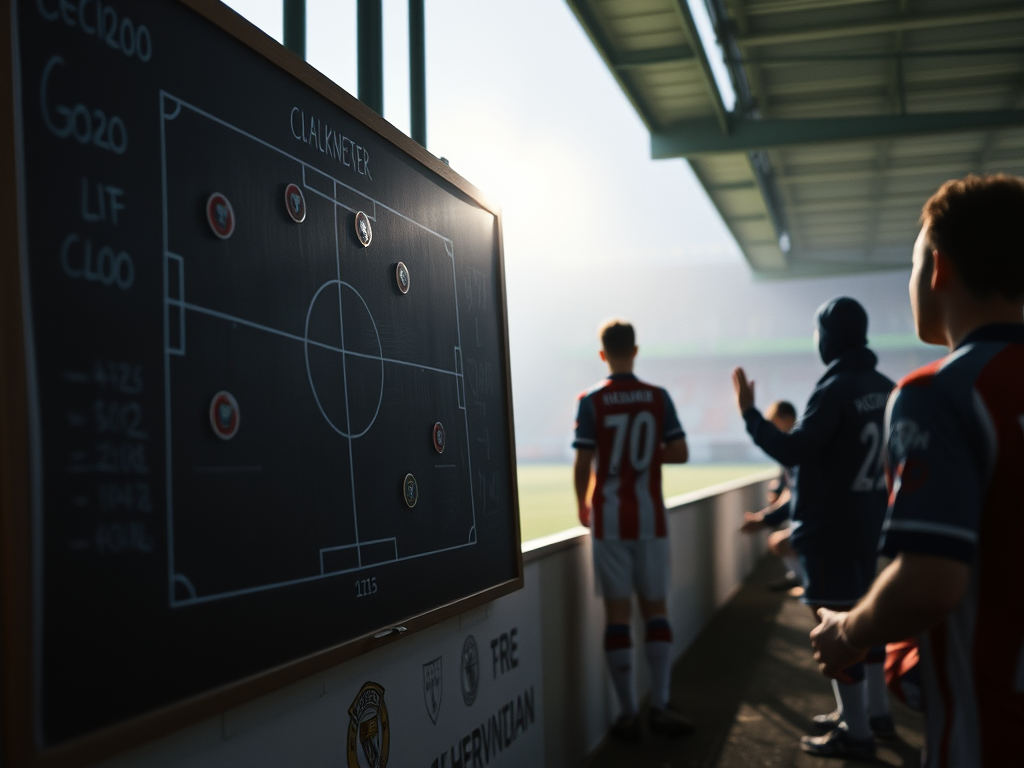
Crawley Town has predominantly utilized a 4-3-3 formation, which has its merits but also exposes certain vulnerabilities. The front three, while capable of pressing opposing defenses, often lacks sufficient support from the midfield, leading to a disconnect between the lines. This has resulted in a lack of sustained attacking pressure and a tendency to concede counter-attacks, particularly against teams that exploit space left by advancing full-backs.
Suggested Tweaks: Transitioning to a 4-2-3-1 formation could provide greater stability in midfield. By deploying two holding midfielders, such as R. Brown and G. Bajrami, Crawley can shield the back four more effectively while allowing the attacking trio to express themselves without the fear of being exposed defensively. This adjustment may also facilitate quicker transitions from defense to attack, fostering a more dynamic playing style.
Pressing Strategy
The Red Devils’ pressing strategy has been inconsistent, often leading to high defensive lines that can be easily breached. Teams have started to identify and exploit these gaps, particularly when Crawley overcommits players in advanced positions.
Proposed Change: Implementing a more selective pressing approach could be beneficial. Rather than pressing in unison, players should be instructed to trigger the press when the opposition is in vulnerable positions, particularly when they are trying to build from the back. This would not only conserve energy but also create opportunities to win the ball in advantageous areas of the pitch.
Individual Player Contributions
While the collective strategy is essential, individual player roles must also be maximized. For instance, A. Adeyemo has shown flashes of brilliance but often finds himself isolated due to a lack of support. Ensuring that he receives adequate service and is integrated into the overall tactical framework can elevate his impact.
Action Plan: Encouraging greater movement from the midfielders to link up with Adeyemo could create more goal-scoring opportunities. Additionally, players like J. Chapman can be instructed to vary their distribution, utilizing longer passes to switch play when the opposition defense is caught out of position.
Defensive Solidity
Defensively, Crawley Town has been prone to lapses in concentration, particularly during set-pieces and transitions. The communication between defenders has faltered at crucial moments, leading to unnecessary goals conceded.
Adjustment Needed: A dedicated focus on defensive organization during training sessions could help address these issues. Implementing a clearer structure regarding marking responsibilities and positioning during set-pieces will reduce the chances of conceding from dead-ball situations.
Moreover, instilling a mentality of resilience within the squad could improve their ability to withstand pressure in tight games, a trait that has been lacking in recent outings.
Conclusion
As Crawley Town navigates this challenging stretch of the season, the implementation of these tactical adjustments could be pivotal in rediscovering the team’s competitive edge. By refining their formation, enhancing pressing strategies, maximizing individual contributions, and solidifying defensive protocols, The Red Devils can look forward to climbing the League Two table and regaining the trust of their passionate fanbase at Broadfield Stadium. The time for reflection and tactical evolution is now.